
WhatsApp Platform vs Custom AI Agent: Which One Do You Actually Need?
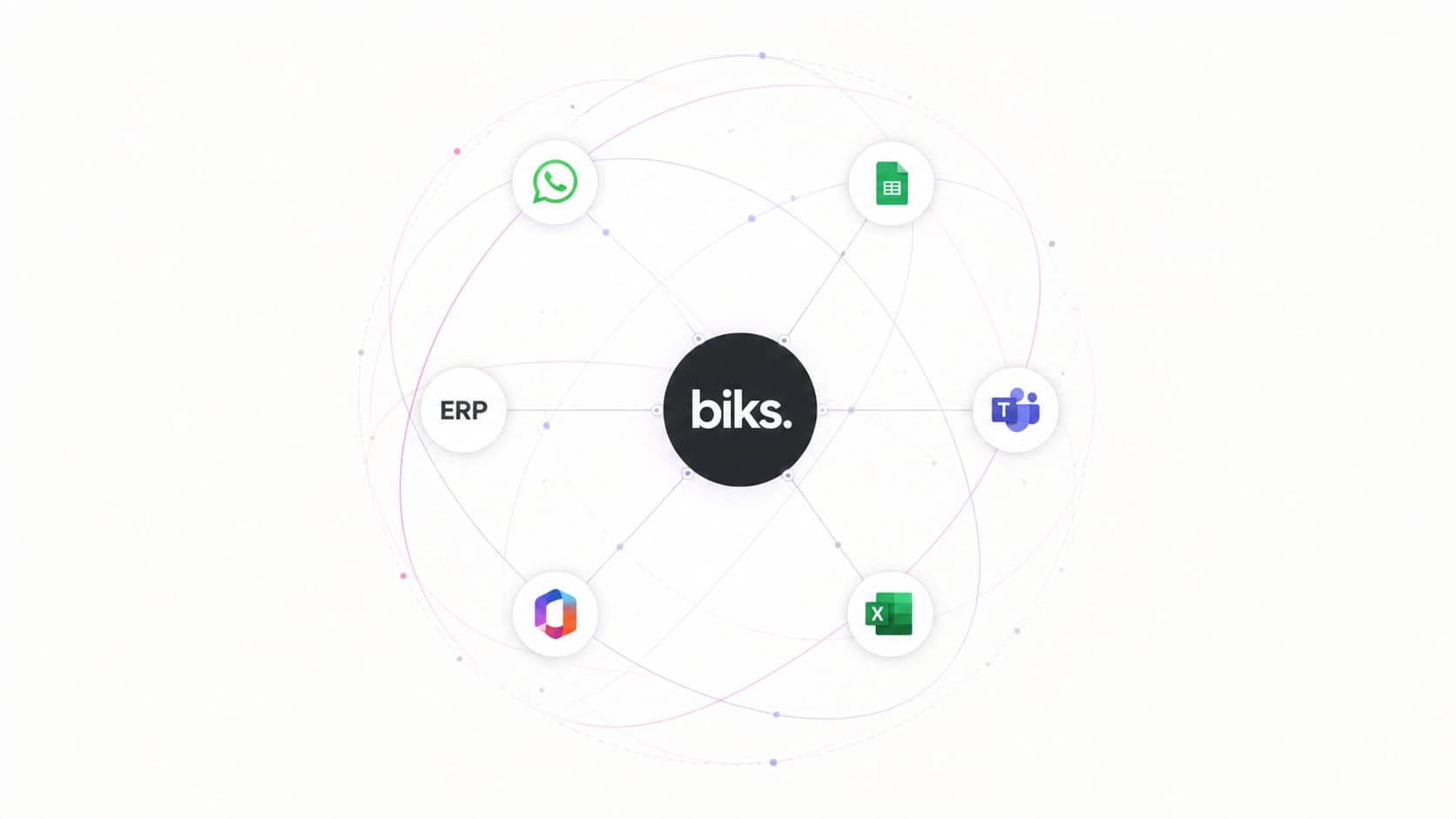
The choice is not really platform versus AI. It is standard workflow versus specific workflow. A self-serve platform works best when your team can fit its process into the product as it already exists.
A custom AI agent becomes useful when the conversation has to connect to the way your business actually approves, records, follows up, and completes work.
Choose the operating model first
Start by tracing what happens after a customer sends a message. If the job ends with a reply, a platform may be enough. If the job continues into stock checks, approvals, payments, accounting, or delivery, the quality of those connections matters more than the chat screen.
The right system should remove hand-offs without taking away the controls your team relies on.
A practical way to choose
- Choose a platform when: The workflow is common, the rules are stable, and configuration covers the full job.
- Choose a custom agent when: The work crosses tools, depends on business-specific rules, or needs human approval.
- Check the exception path: The best option is the one your team can control when the normal flow breaks.
Do not pay for custom work simply to reproduce a standard inbox. Build custom only where your process creates a real operational difference.
Common questions
- What is the difference between a WhatsApp platform and a custom AI agent?
- A WhatsApp platform gives you a shared inbox, templates and routing rules that you configure. A custom AI agent interprets each message and then carries the work through your own systems — checking stock, taking payment, updating your ledger — using rules specific to your business. The platform ends at the reply; the agent continues past it.
- When is a self-serve WhatsApp platform enough?
- When the flow is common, the rules are stable, and configuration alone can cover the whole job. If the work is finished once the customer has been answered, a platform is usually the cheaper and faster choice.
- When do you need a custom agent instead?
- When the work crosses several tools, depends on business rules specific to you, or needs human approval before something consequential happens. If the real work starts after the reply, configuration will not reach it.
- How do I decide without committing to a build?
- Trace what happens after a customer message. Count the systems touched and the approvals needed. If the answer is one system and no approvals, start with a platform. Build custom only where your process creates a genuine operational difference.